New York State stretches from the Canadian border at Niagara Falls to the dense urban grid of Manhattan, covering vastly different travel rhythms, transport networks, and guest priorities. Choosing a hotel with a strong location rating here isn't just about convenience - it directly determines whether you're walking to attractions or spending an hour in transit. These 4 hotels have earned standout location scores from guests, spanning Buffalo's airport corridor and Manhattan's most walkable neighborhoods.
What It's Like Staying in New York State
New York State is one of the most geographically and culturally diverse regions in the United States, combining the high-density urban experience of Manhattan with mid-sized transit hubs like Buffalo, which serves as a gateway to Niagara Falls and the Great Lakes corridor. Transport logistics vary dramatically by city: Manhattan relies on its 24-hour subway, while Buffalo requires a car or shuttle for most destinations. Crowds peak sharply in NYC during summer and the holiday season, but Buffalo sees its busiest periods around Niagara Falls tourism - around 8 million visitors pass through the Niagara region annually.
Travelers choosing between the state's urban poles should know that Manhattan rewards proximity - every block closer to a subway entrance or key attraction saves real time. In Buffalo, airport proximity matters more than neighborhood prestige, making location ratings near transit infrastructure especially relevant.
Pros:
- Unmatched variety of destinations within one state - from world-class museums to natural landmarks
- Buffalo Niagara International Airport connects the western region efficiently to the rest of the U.S.
- Manhattan hotels with high location scores place guests within walking distance of subway lines, cultural venues, and dining
Cons:
- Traffic congestion in NYC makes car travel impractical - parking costs can exceed $60 per night
- Buffalo's sprawl means walking between sites is rarely feasible without a vehicle or rideshare
- Noise levels in Manhattan neighborhoods like the Lower East Side remain high well past midnight
Why Choose Hotels Rated High for Location in New York State
A high guest-rated location in New York State signals something concrete: guests found they could act on their plans without logistical friction. In Manhattan, that typically means proximity to subway stations, downtown neighborhoods, or cultural landmarks within walking distance. In Buffalo, a top location score usually reflects airport access, shuttle availability, or proximity to shopping hubs like Walden Galleria. Hotels with strong location ratings in these areas tend to carry a pricing premium of around 20% compared to equivalently rated properties just a few kilometers further from key nodes.
Room sizes in well-located NYC properties are typically compact - under 25 square meters in many cases - while Buffalo's airport-area hotels offer significantly more space at lower nightly rates. The trade-off is experiential: Manhattan's location immersiveness is unmatched, but Buffalo's practical positioning saves time for travelers on layovers or regional road trips.
Pros:
- Guests consistently report shorter commute times to attractions, airports, and transit when booking high-location-rated hotels
- Buffalo airport-adjacent hotels often include free shuttles, eliminating rideshare costs that can add up quickly
- Manhattan hotels rated for location place guests steps from subway lines serving all five boroughs
Cons:
- Prime-location hotels in NYC fill up weeks in advance during peak season, limiting last-minute options
- High foot traffic around well-located Manhattan properties increases street noise, especially on weekend nights
- Buffalo area hotels with airport proximity may feel isolated from the city's cultural and dining scene
Practical Booking & Area Strategy in New York State
In western New York, Cheektowaga serves as a practical base for travelers needing access to Buffalo Niagara International Airport - hotels here sit within 5 km of the terminal and close to the Walden Galleria, one of the region's largest retail centers. For Manhattan, the Lower East Side and Upper West Side represent two distinct strategic positions: the Lower East Side delivers proximity to Brooklyn Bridge, SoHo, and the subway's F and J lines, while the Upper West Side puts guests steps from Central Park, Lincoln Center, and the 1 and 2 express trains. Booking at least 6 weeks ahead is advisable for Manhattan stays between June and September, when occupancy regularly exceeds 90%. For Buffalo-area hotels, flexibility is greater, but travelers connecting to Niagara Falls should confirm shuttle schedules before arrival, as services vary by property.
Key attractions drawing visitors across New York State include Niagara Falls State Park, the Metropolitan Museum of Art, the American Museum of Natural History, the Lower East Side Tenement Museum, Shea's Performing Arts Center in Buffalo, and Central Park. Niagara Falls draws visitors year-round, but the summer months bring the heaviest crowds and highest regional hotel rates.
Best Value Stays
These properties deliver strong location scores at accessible price points, with practical amenities that suit transit-focused travelers in the Buffalo metropolitan area.
-
1. Towneplace Suites Buffalo Airport
Show on map


 Check-infrom 15:00 until 23:59Check-outuntil 12:00
Just a few rooms left at the best rate!
fromUS$ 236
-
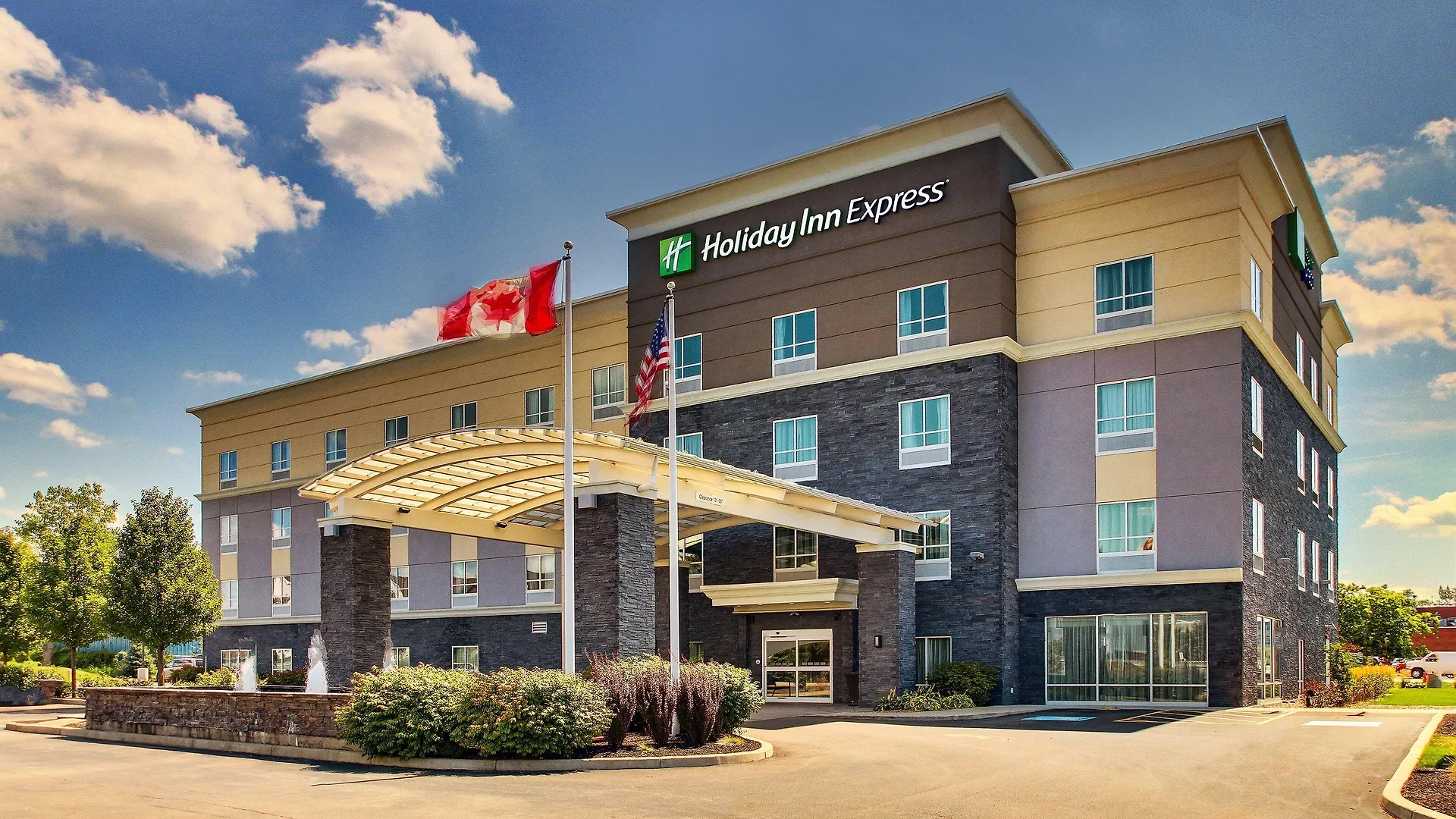
2. Holiday Inn Express Cheektowaga North East By Ihg
Show on map


 Check-infrom 15:00 until 23:30Check-outfrom 05:00 until 11:00
Just a few rooms left at the best rate!
fromUS$ 157
Best Premium Stays
These Manhattan hotels have earned high location ratings for their placement in two of New York City's most strategically connected neighborhoods, offering distinct design identities and immediate access to major cultural landmarks.
-
3. The Ludlow Hotel
Show on map


 Check-infrom 15:00 until 23:59Check-outuntil 12:00
Hurry – almost gone at this price!
fromUS$ 225
-
4. The Wallace Hotel
Show on map


 Check-infrom 15:00 until 23:59Check-outfrom 01:00 until 12:00
Rooms filling fast – secure the best rate!
fromUS$ 259
Smart Travel & Timing Advice for New York State
Manhattan hotel prices spike sharply between late June and early September, as well as during Thanksgiving week and the December holiday period - booking during these windows without advance reservations typically means paying a premium of around 35% above shoulder-season rates. September and October offer the best balance of manageable crowds, stable weather, and mid-range pricing across both NYC and the Buffalo region. For Niagara Falls day trips from Buffalo-area hotels, weekday visits in May or early June offer the most accessible experience before summer tour groups arrive in volume.
A stay of 3 nights in Manhattan is the practical minimum for covering the major borough attractions without rushing, while 2 nights near Buffalo Airport suits most Niagara Falls itineraries comfortably. Last-minute bookings work better in Buffalo than in NYC, where occupancy in well-located hotels rarely drops below 80% during peak season. Guests planning to use Buffalo-area hotels as a Niagara Falls base should confirm whether the property offers Niagara shuttle services, as not all airport-adjacent hotels provide this connection.