
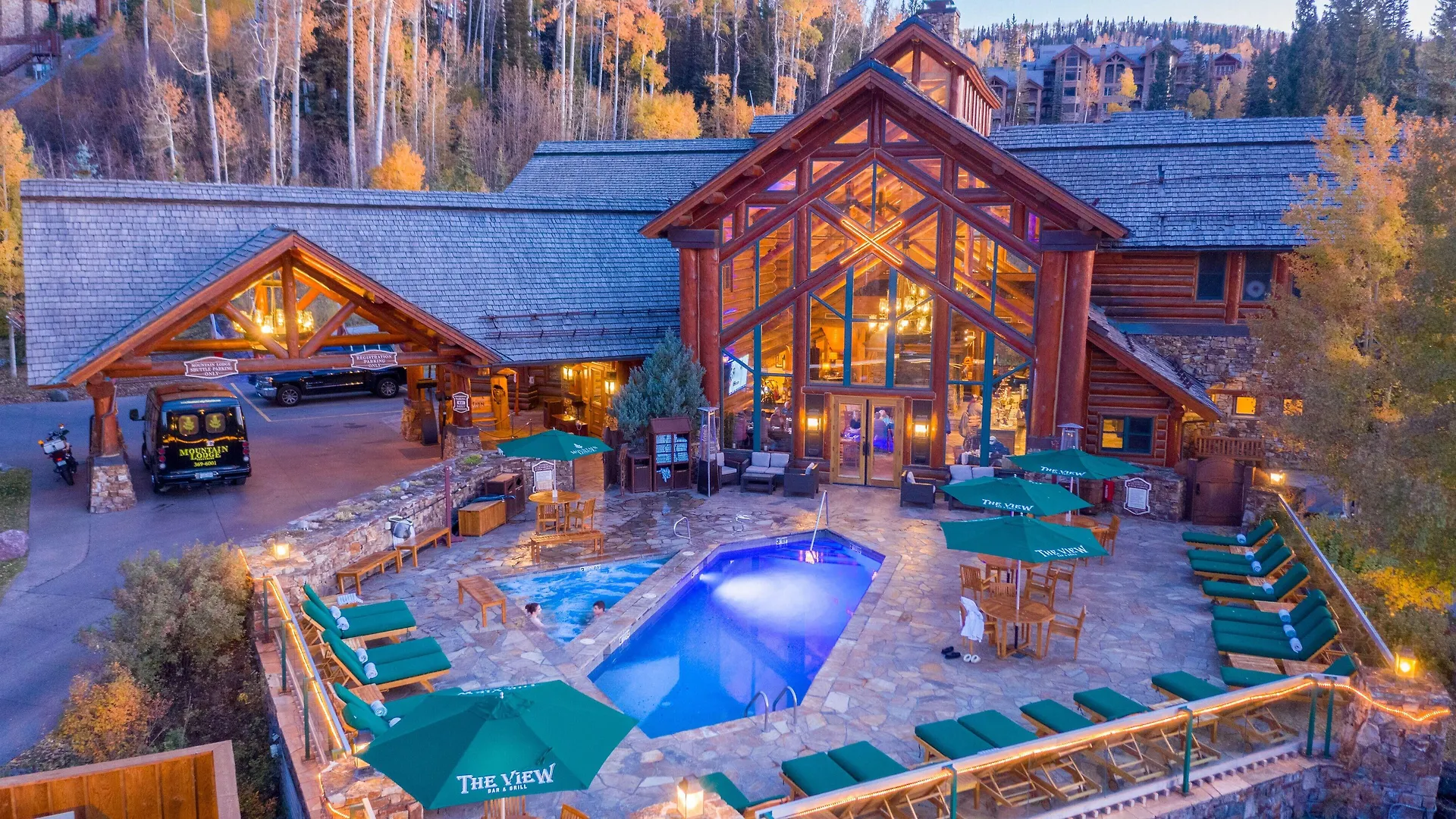
Lodge hotels in the United States span an extraordinary range of settings - from ski-in/ski-out mountain properties in Colorado and Wyoming to oceanfront plantation cottages in Hawaii and streamside alpine inns in Vermont. Unlike standard hotel chains, lodges in the U.S. are typically anchored to their natural surroundings, offering a sense of place that chain hotels cannot replicate. This guide compares 14 lodge hotels across multiple states to help you choose the right one based on location, amenities, and travel goals.
What It's Like Staying in the United States
The United States covers over 3.8 million square miles, meaning the experience of staying here varies dramatically depending on the region. A lodge in Wyoming places you minutes from Grand Teton National Park, while one in Hawaii drops you into a tropical Pacific setting with historical sites within 30 km. Crowd patterns spike heavily between June and August, particularly near national parks and ski resort towns, where occupancy can reach near 100% at quality lodges weeks in advance. Travelers who prefer solitude and lower rates often find that shoulder seasons - spring and late fall - deliver the best balance of access and availability.
The U.S. rewards those who do regional research. The Mountain West (Wyoming, Colorado, Utah) draws outdoor enthusiasts year-round, while the Southeast and Mid-Atlantic offer lower lodge density but proximity to rivers, state parks, and smaller cities. Hawaii sits in a category of its own, combining tropical landscapes with cultural landmarks accessible from lodge-based stays on the Big Island and Kauai.
Pros:
- Extraordinary landscape diversity - from alpine tundra and Pacific coastline to Blue Ridge foothills and high desert plateaus
- Most lodges offer free parking, which is essential given the car-dependent nature of rural U.S. travel
- National parks and protected lands are often directly accessible from lodge properties, reducing daily drive times significantly
Cons:
- Remote lodge locations frequently require a rental car - public transport connections to wilderness areas are minimal to nonexistent
- Peak-season pricing at destination lodges in states like Colorado and Vermont can spike sharply, with little flexibility on availability
- Cell service and internet reliability vary widely at rural properties, which can complicate navigation and work-from-lodge stays
Why Choose Lodge Hotels in the United States
Lodge hotels in the U.S. occupy a distinct market position between standard motels and luxury resorts. They are typically built around a defining natural feature - a river, mountain range, ski slope, or coastline - and their architecture and amenities reflect that environment directly. Rates at mid-range U.S. lodges average around $120-$180 per night, while premium ski-country or resort lodges in destinations like Telluride or Woodinville can exceed $300 per night. Budget lodge options, particularly in the Southeast and Mid-Atlantic, start around $70 per night and often include breakfast and parking at no extra cost.
Room sizes at U.S. lodges tend to be larger than urban hotels, with many properties offering studio apartments, cottages, or multi-room suites that include kitchenettes or full kitchens. This makes lodges particularly cost-effective for stays of 3 nights or more, since self-catering reduces meal expenses in areas with limited restaurant access. The trade-off is that some lodges operate seasonally, with reduced services or closures outside peak periods.
Pros:
- Rooms are typically larger than urban hotel equivalents at a comparable price point, often including sitting areas, fireplaces, or private patios
- On-site amenities like pools, hot tubs, saunas, and fitness centers are common even at mid-range properties
- Many U.S. lodges include free breakfast, free parking, and free Wi-Fi, keeping total daily costs more predictable
Cons:
- Seasonal closures or reduced winter/summer services affect some lodges, particularly those tied to skiing or summer recreation
- On-site dining at remote lodges may be the only practical option, limiting food variety and increasing meal costs
- Noise from outdoor activities, shared facilities, or proximity to highways can affect some budget-tier lodge properties
Practical Booking & Area Strategy for U.S. Lodge Hotels
Choosing which region to base yourself in is the most consequential decision when booking a U.S. lodge. The Mountain West - Wyoming, Colorado, and Montana - offers the highest concentration of high-quality lodge properties with direct access to national parks, ski resorts, and river corridors. Jackson Hole and Telluride require advance booking of at least 6 weeks during ski season and summer peak. In contrast, lodges in North Carolina, Georgia, and Maryland offer significantly more last-minute availability and lower base rates, making them practical choices for spontaneous regional road trips.
Hawaii is a special case: lodge-style properties on Kauai and the Big Island are limited in number, and those with genuine beachfront or mountain access book out months ahead during winter (December-March), when mainland U.S. travelers escape colder climates. Vermont's alpine lodges near Stowe are heavily seasonal - winter skiing drives peak demand from late December through March, while fall foliage in October creates a secondary surge. Washington State's wine country around Woodinville offers a quieter, year-round lodge experience closer to Seattle, with wine tours and cycling replacing the snowsport focus. For travelers prioritizing proximity to multiple attractions, Montana's Bozeman area is a strong strategic base - within 9 km of the airport and under 20 km from Montana State University, with Yellowstone accessible as a day trip.
Mountain & Wilderness Lodges
These properties sit directly within or adjacent to major natural landmarks - ski mountains, river canyons, and national park corridors - where the lodge's position is the primary selling point.
-
1. Mountain Lodge Telluride
Show on map


 Check-infrom 16:00 until 23:59Check-outuntil 11:00
Hurry – almost gone at this price!
fromUS$ 242
-
2. Flying Saddle Resort And Steak House
Show on map


 Check-infrom 16:00 until 20:30Check-outfrom 07:00 until 11:00
Best price guarantee
fromUS$ 89
-
3. Gallatin River Lodge
Show on map


 Check-infrom 15:00 until 17:30Check-outfrom 08:00 until 10:00
Hurry – almost gone at this price!
fromUS$ 296
-
4. Cabin Creek Inn
Show on map


 Check-infrom 15:00 until 22:00Check-outuntil 11:00
Best price guarantee
fromUS$ 129
-
5. Alta Peruvian Lodge
Show on map


 Check-infrom 15:00 until 23:59Check-outuntil 11:00
Best price guarantee
fromUS$ 666
Alpine, Wine Country & Specialty Lodges
This group covers lodges defined by a specific experiential context - alpine winter sports in Vermont, Pacific Northwest wine country in Washington, and the classic New England inn experience - each requiring a different booking strategy.
-
6. Innsbruck Inn At Stowe
Show on map


 Check-infrom 16:00 until 21:00Check-outuntil 11:00
Best price guarantee
fromUS$ 250
-
7. Willows Lodge
Show on map


 Check-infrom 16:00 until 23:59Check-outuntil 12:00
Rooms filling fast – secure the best rate!
fromUS$ 269
-
8. Carlisle House Inn
Show on map


 Check-infrom 15:00 until 22:00Check-outuntil 11:00
Just a few rooms left at the best rate!
fromUS$ 509
Hawaii & Coastal Lodge Properties
Hawaii's lodge-style properties are distinct from mainland options - they combine historical and cultural context with Pacific coastal access, and availability is tighter than most U.S. destinations during peak winter months.
-
9. Waimea Plantation Cottages, A Coast Resort
Show on map


 Check-infrom 15:00 until 23:59Check-outuntil 11:00
Just a few rooms left at the best rate!
fromUS$ 446
-
10. Castle Waimea Country Lodge
Show on map


 Check-infrom 15:00 until 16:00Check-outuntil 10:00
Best price guarantee
fromUS$ 151
Budget Lodge Options Across the U.S.
These properties prioritize accessibility and value across several U.S. states, offering predictable amenities at rates significantly below resort-tier lodges - useful for road-trip segments or regional stopovers.
-
11. Econo Lodge Pocomoke City Hwy 13
Show on map


 Check-infrom 15:00 until 23:00Check-outfrom 07:00 until 11:00
Best price guarantee
fromUS$ 93
-
12. Econo Lodge Eden
Show on map


 Check-infrom 15:00 until 23:59Check-outuntil 11:00
Rooms filling fast – secure the best rate!
fromUS$ 75
-
13. Econo Lodge
Show on map


 Check-infrom 14:00 until 23:59Check-outuntil 11:00
Just a few rooms left at the best rate!
fromUS$ 199
-
14. Econo Lodge Creedmoor - Butner
Show on map


 Check-infrom 14:00 until 23:59Check-outuntil 11:00
Best price guarantee
fromUS$ 67
-
15. Econo Lodge Live Oak
Show on map


 Check-infrom 15:00 until 23:59Check-outuntil 11:00
Best price guarantee
fromUS$ 97
Smart Travel & Timing Advice for U.S. Lodge Hotels
Timing your lodge booking in the U.S. depends heavily on which region and activity type you're targeting. Mountain lodge properties in Colorado, Wyoming, and Utah should be booked at least 8 weeks in advance for any dates between late December and mid-March (ski season) or late June through August (summer hiking season). Hawaii lodge availability on Kauai and the Big Island tightens from mid-December through February, when mainland visitors seeking warmth drive up demand - rates during this window can run around 35% higher than spring shoulder season prices.
Vermont's Stowe area operates on a dual-peak calendar: ski season (December-March) and fall foliage (mid-September through mid-October). The foliage window is shorter but produces intense demand spikes, often with limited last-minute availability. Washington State's Woodinville lodge scene is most active from May through October, aligned with winery touring and outdoor dining season - January and February offer the deepest discounts at properties like Willows Lodge. For North Carolina and Georgia budget lodges, last-minute booking is generally viable outside summer, with rates remaining relatively stable. Most U.S. lodges recommend a minimum stay of 2 nights to justify travel to remote locations, while properties with full kitchens or cottage formats deliver better value at 4 nights or more due to self-catering savings.


