The Midwest stretches across a vast swath of the United States, covering states like Indiana, Iowa, Ohio, Wisconsin, Michigan, and Minnesota - each offering a distinct leisure experience, from ski-country chalets and lakeside retreats to small-city cultural stops and antique trail towns. Whether you're road-tripping through rural Iowa, exploring Ohio's college towns, or heading north for winter recreation in Wisconsin and Michigan's Upper Peninsula, the Midwest's hotel landscape is dominated by reliable mid-scale chains and independently branded properties that offer consistent amenities at competitive prices. This guide covers 15 leisure hotels across the region, with real-location context, booking strategy, and honest trade-off analysis to help you choose the right base for your trip.
What It's Like Staying in the Midwest
The Midwest is not a single destination - it's a collection of distinct regional experiences stitched together by interstates, two-lane state highways, and a travel culture built around the road trip. Most leisure travelers drive rather than fly between cities, which means hotel location relative to the highway matters as much as proximity to a downtown core. Crowd patterns vary sharply: resort areas like the Wisconsin Dells or Michigan's Upper Peninsula see peak saturation in summer, while cities like Muscatine, Iowa or Ashland, Ohio remain accessible year-round without the surge pricing common in coastal markets. Around 70% of leisure travelers in the Midwest arrive by personal vehicle, which makes free parking - a standard feature across most properties in this guide - a genuine practical advantage rather than a marketing add-on.
Small and mid-size Midwestern cities tend to offer a slower, more navigable pace than major metros, with cultural attractions - zoos, art museums, performing arts centers, historic railways - within a short drive of most listed hotels. Who benefits most from staying in the Midwest: travelers seeking value-driven road trips, families wanting affordable recreation, and outdoor enthusiasts targeting hiking, skiing, or Great Lakes access. Who might prefer elsewhere: travelers prioritizing walkable urban density or internationally recognized dining scenes.
Pros:
- Free parking is nearly universal across mid-scale Midwest hotels, eliminating a cost that adds up quickly in coastal cities
- Leisure attractions - zoos, ski areas, performing arts venues, historic sites - are typically within a 30-minute drive of listed properties
- Crowd levels at most Midwestern leisure destinations remain manageable outside of peak summer weekends, giving travelers more flexibility
Cons:
- Public transit between cities and attractions is limited or nonexistent in most Midwestern towns, making a car non-negotiable
- Dining and nightlife options around smaller-city hotels can be sparse, especially on weeknights
- Distance between major attractions can be significant - some properties in this guide sit 40 to 100 km from the nearest airport
Why Choose Leisure Hotels in the Midwest
Leisure-focused hotels in the Midwest consistently offer amenity packages that outperform similarly priced properties in coastal markets - indoor pools, hot tubs, fitness centers, and complimentary breakfast are standard features across the 3-star tier here, not upgrades. This matters for families and couples planning multi-night stays where the hotel itself becomes part of the experience, particularly in destinations where outdoor activities are weather-dependent. The trade-off is that room sizes, while generally spacious compared to urban hotels, follow a standardized corporate footprint rather than boutique character - travelers seeking unique design or hyper-local atmosphere will find the options limited in smaller Midwestern markets.
Price positioning is one of the Midwest's strongest leisure arguments: 3-star branded properties here often deliver amenities comparable to 4-star hotels in larger metros, with nightly rates that reflect regional demand rather than tourism premiums. Noise levels are typically low in smaller cities, and most properties in this guide feature exterior or surface parking rather than shared urban structures, simplifying arrivals with luggage or outdoor gear. The average leisure hotel stay in the Midwest runs around 2 nights, though properties near ski areas, resorts, or multi-day attractions naturally support longer bookings.
Pros:
- Indoor pools and hot tubs are included at the 3-star price point across most properties, a feature that costs significantly more in major metro markets
- Complimentary breakfast - buffet or continental - is offered at the majority of hotels in this guide, reducing daily trip costs for families
- Branded chain properties (IHG, Hilton, Marriott, Radisson) ensure consistent quality standards regardless of city size
Cons:
- Room design across most Midwest leisure hotels follows a standardized corporate template with limited local character
- Smaller-town properties may have limited on-site dining, requiring guests to drive for dinner options
- Hotel bars and evening programming are minimal in properties outside of larger cities like Columbus or Battle Creek
Practical Booking & Area Strategy
Positioning strategy in the Midwest depends heavily on which attractions anchor your trip. For travelers targeting northern Wisconsin and Michigan's Upper Peninsula - ski areas, snowmobile trails, Great Lakes shorelines - properties in Upson, Wisconsin or Escanaba, Michigan place you within direct access of outdoor recreation without the detour of a larger hub city. For Iowa-based itineraries, Decorah and Waverly offer quick access to performing arts venues and river valley hiking, while Cherokee and Muscatine serve as logical stops on longer cross-state drives. Ohio travelers splitting time between Columbus and smaller cities like Richmond or Ashland benefit from highway-adjacent hotels that allow flexible daily routing rather than committing to a single urban base.
Peak booking pressure in the Midwest hits hardest during summer weekends (June through August) near resort destinations and during fall foliage season in northern states. Booking 6 weeks ahead for summer stays near Wisconsin Dells, Lake Michigan, or Minnesota's Bemidji region is advisable - these markets tighten faster than their small-town appearance suggests. For Iowa and Ohio properties in smaller cities, last-minute availability is more common outside of local event weekends (county fairs, university events, regional festivals). Airport proximity varies widely: Bemidji Regional Airport sits just 2 km from City Express by Marriott, while properties in Cherokee, Iowa require a drive of nearly 100 km to reach Sioux Gateway Airport - fly-in travelers should verify transfer logistics before booking.
Best Value Leisure Hotels in the Midwest
These properties deliver strong amenity packages - indoor pools, free breakfast, fitness access, and free parking - at the accessible end of the Midwest's 3-star pricing tier, making them well-suited for budget-conscious leisure travelers and families on road trips.
-
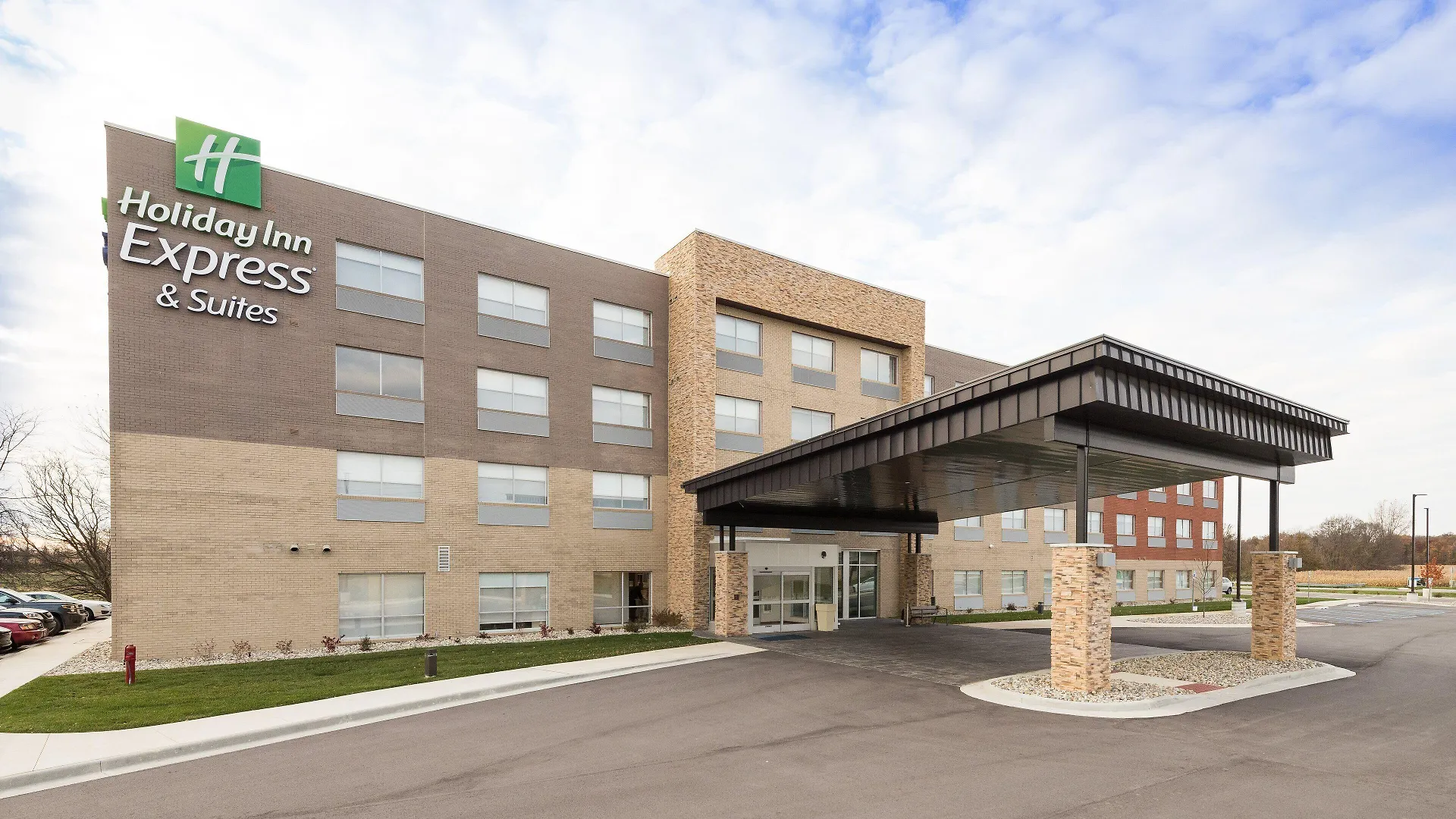
1. Holiday Inn Express & Suites - Auburn By Ihg
Show on map


 Check-infrom 15:00 until 23:59Check-outuntil 11:00
Rooms filling fast – secure the best rate!
fromUS$ 144
-
2. Quality Inn Waverly
Show on map


 Check-infrom 15:00 until 23:59Check-outuntil 11:00
Hurry – almost gone at this price!
fromUS$ 115
-
3. Best Western La Grande Hacienda
Show on map


 Check-infrom 14:30 until 15:00Check-outuntil 11:00
Just a few rooms left at the best rate!
fromUS$ 86
-
4. Quality Inn Ashland I 71 & Us 250
Show on map


 Check-infrom 15:00 until 23:59Check-outuntil 11:00
Best price guarantee
fromUS$ 91
-
5. Quality Inn And Conference Center
Show on map


 Check-infrom 15:00 until 23:59Check-outuntil 11:00
Best price guarantee
fromUS$ 64
-
6. Hampton Inn Muscatine
Show on map


 Check-infrom 15:00 until 23:59Check-outuntil 12:00
Best price guarantee
fromUS$ 124
-
7. Holiday Inn Express & Suites Reedsburg - Dells Area By Ihg
Show on map


 Check-infrom 15:00 until 23:59Check-outuntil 11:00
Best price guarantee
fromUS$ 175
-
8. Superior & Sage Hotel
Show on map


 Check-infrom 15:00 until 23:59Check-outfrom 07:00 until 12:00
Best price guarantee
fromUS$ 111
Best Mid-Range & Premium Leisure Hotels in the Midwest
These properties sit at the upper end of the Midwest's 3-star leisure market, offering enhanced amenity depth - spas, restaurants, Marriott and Hilton brand guarantees, airport proximity, or resort-corridor positioning - that justifies a higher nightly rate for travelers who want a more complete on-site experience.
-
9. Davos Chalet
Show on map


 Check-infrom 15:00 until 20:00Check-outfrom 08:00 until 11:00
Best price guarantee
fromUS$ 132
-
10. Hampton Inn By Hilton Washington Court House
Show on map


 Check-infrom 15:00 until 23:59Check-outuntil 12:00
Hurry – almost gone at this price!
fromUS$ 161
-
11. City Express By Marriott Bemidji
Show on map


 Check-infrom 15:00 until 23:59Check-outfrom 03:00 until 11:00
Just a few rooms left at the best rate!
fromUS$ 105
-
12. Country Inn & Suites By Radisson, Decorah, Ia
Show on map


 Check-infrom 15:00 until 23:59Check-outuntil 12:00
Rooms filling fast – secure the best rate!
fromUS$ 89
-
13. Courtyard By Marriott Columbus Grove City
Show on map


 Check-infrom 15:00 until 23:59Check-outuntil 12:00
Best price guarantee
fromUS$ 214
-
14. Magnuson Grand Pioneer Inn And Suites
Show on map


 Check-infrom 14:00 until 23:59Check-outuntil 11:00
Best price guarantee
fromUS$ 79
-
15. Country Inn & Suites By Radisson, Battle Creek, Mi
Show on map


 Check-infrom 16:00 until 23:59Check-outuntil 11:00
Just a few rooms left at the best rate!
fromUS$ 104
Smart Travel & Timing Advice for Midwest Leisure Hotels
Timing your Midwest leisure trip requires matching your destination to its seasonal peak rather than applying a single regional rule. Northern properties - Davos Chalet in Upson, City Express by Marriott in Bemidji, and Magnuson Grand Pioneer in Escanaba - see their strongest demand from December through March for ski and snowmobile season, with summer bringing a secondary wave of lake and hiking visitors. Southern Midwest properties in Ohio and Indiana operate more consistently year-round, with modest spikes around university event weekends and county fairs in August and September. Wisconsin Dells-area hotels like the Holiday Inn Express Reedsburg fill rapidly for July and August, often reaching capacity on summer weekends - booking 8 weeks in advance is a minimum for peak-summer Dells visits.
For Iowa properties in Cherokee, Waverly, Decorah, and Muscatine, spring (April-May) and fall (September-October) offer the best balance of weather, activity access, and availability - crowds are thin, rates are softer, and the Driftless Area's bluff landscapes are at their most dramatic. Last-minute bookings work better in smaller Iowa and Ohio markets than in resort-corridor Wisconsin or northern Minnesota. Plan for a minimum 2-night stay at any property near a ski area or major attraction cluster to justify the drive and settle into the local leisure rhythm - single-night stays in remote Upper Peninsula or northern Wisconsin locations rarely make logistical sense given travel time from major airports.