The Berkshires stretch across western Massachusetts, covering towns like Lenox, Lee, Great Barrington, and Williamstown - each with its own character and proximity to key attractions like Tanglewood, the Norman Rockwell Museum, and The Clark Art Institute. Choosing a centrally located hotel here means cutting drive times between these spread-out destinations, since public transport in the region is minimal and a car is essential for most itineraries. The four hotels in this guide are positioned across the region's main corridors, giving travelers a practical base whether they're visiting for the arts, skiing, or fall foliage.
What It's Like Staying in The Berkshires
The Berkshires is a year-round destination in western Massachusetts, best known for its summer arts scene - anchored by the Tanglewood Music Festival in Lenox - and its fall foliage, which peaks in October and draws large crowds from Boston and New York City. A car is non-negotiable: towns are separated by rural highways, and distances between attractions like Norman Rockwell Museum in Stockbridge and The Clark Art Institute in Williamstown can exceed 50 km. Visitors who prefer walkable urban environments or rely on public transit will find the region logistically demanding, but those seeking nature, culture, and low-density travel will find the pace well-suited to longer stays.
Pros:
- Access to a concentrated set of world-class arts institutions within a driveable radius
- Significantly lower hotel rates compared to Boston or New York for equivalent quality
- Year-round activity calendar - skiing in winter, hiking in summer, foliage in fall
Cons:
- No meaningful public transport between towns; a rental car adds daily cost
- Summer weekends (July-August) see sharp price spikes driven by Tanglewood events
- Dining and nightlife options are limited outside of Lenox, Stockbridge, and Great Barrington
Why Choose a Centrally Located Hotel in The Berkshires
In a region where the main towns are strung along Route 7 and Route 2 without any central hub, staying at a well-positioned hotel can save around 30 minutes of driving per day across a typical multi-day itinerary. Central hotels here tend to be mid-range inns and motor lodges rather than boutique properties, which keeps nightly rates accessible while still offering solid amenities like free parking, free WiFi, and breakfast - features that matter when you're spending most of your time driving between destinations. Unlike the more upscale inn scene in Lenox, centrally located options in towns like Lee, Great Barrington, and Williamstown offer better value without sacrificing proximity to the region's top draws.
Pros:
- Free parking is standard, removing a daily cost that boutique Lenox properties often charge
- Breakfast-included options reduce meal planning in towns with limited early-morning dining
- Positioned near Route 7 or Route 2 corridors for efficient access to multiple towns in one day
Cons:
- Rooms are functional rather than design-forward - expect standard layouts, not curated interiors
- On-site amenities like restaurants or spas are rarely available at this price tier
- Peak season availability drops fast; booking fewer than 4 weeks out in July or October is risky
Practical Booking & Area Strategy
The Berkshires runs roughly 80 km north to south, so your base town should reflect your primary itinerary. Lee and Lenox South sit at the geographic midpoint, placing you within 12 km of Tanglewood and Cranwell Spa, and within a 15-minute drive of Stockbridge and the Norman Rockwell Museum - making this corridor the most versatile base for first-time visitors. Great Barrington anchors the southern end of Route 7, closer to Butternut Ski Area and Bard College at Simon's Rock, and works well for travelers focused on outdoor recreation or the local arts scene on Railroad Street. Williamstown, at the northern tip near the Vermont border, is the right choice for visitors prioritizing The Clark Art Institute or MASS MoCA in North Adams, both reachable in under 20 minutes. Book at least 6 weeks in advance for summer weekends tied to Tanglewood events, and consider midweek arrivals in fall to avoid foliage-weekend surcharges that can push rates up significantly across all property types.
Best Value Stays
These properties offer the strongest combination of location, included amenities, and accessible pricing across the Berkshires' main travel corridors - making them practical bases for multi-day itineraries.
-
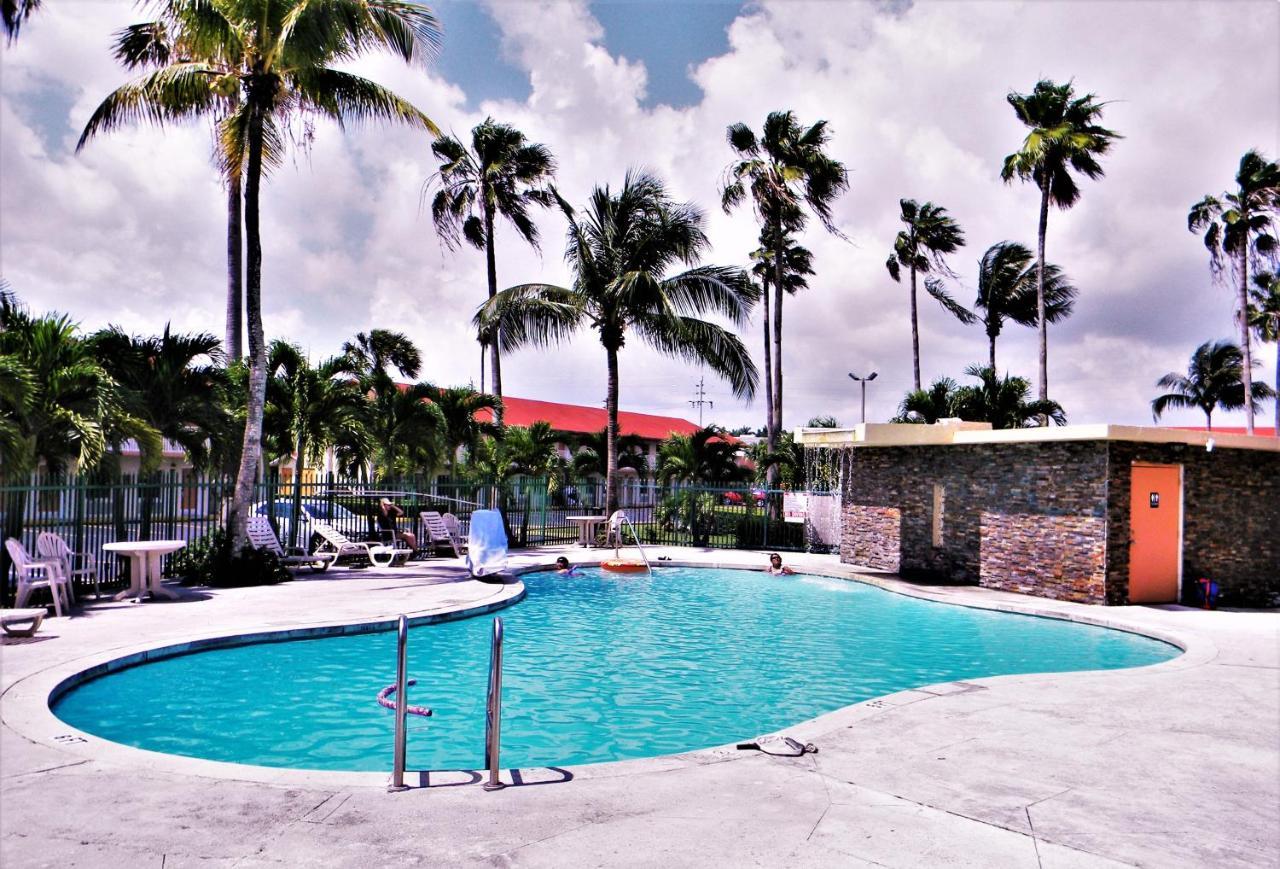
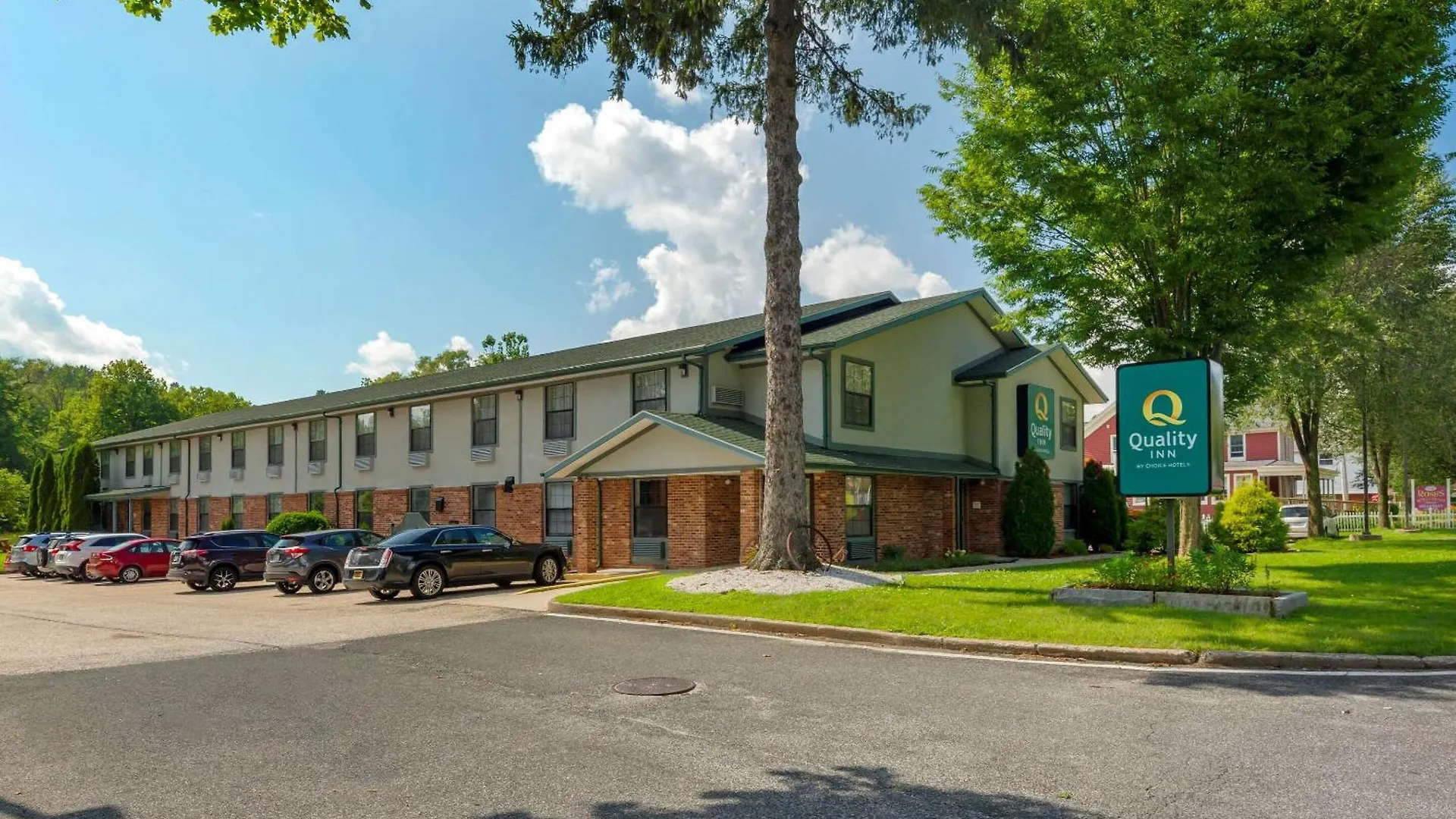
1. Quality Inn Lee - Lenox South
Show on map


 Check-infrom 16:00 until 23:59Check-outuntil 11:00
Just a few rooms left at the best rate!
fromUS$ 99
-
2. Quality Inn Great Barrington
Show on map


 Check-infrom 15:00 until 23:59Check-outuntil 11:00
Just a few rooms left at the best rate!
fromUS$ 71
-
3. Blue Vista Motor Lodge
Show on map


 Check-infrom 15:00 until 20:00Check-outfrom 07:00 until 11:00
Hurry – almost gone at this price!
fromUS$ 211
Best Premium Option
For travelers prioritizing outdoor space, mountain scenery, and a broader set of on-site amenities, this property in Williamstown delivers a step up in the experience without moving into luxury pricing.
-
4. Berkshire Valley Inn
Show on map


 Check-infrom 15:00 until 22:00Check-outfrom 10:00 until 11:00
Rooms filling fast – secure the best rate!
fromUS$ 176
Smart Travel & Timing Advice
The Berkshires has three distinct peak periods, each with different pricing and crowd behavior. Summer (late June through August) is the most expensive window, driven almost entirely by the Tanglewood Music Festival season in Lenox - weekend rates near Lenox and Lee can spike sharply, and availability at mid-range properties fills weeks in advance. Fall foliage season in October is the second major peak, with leaf color typically peaking in mid-October; this period draws heavy weekend traffic from Boston and New York, and even budget properties see elevated rates. Winter (December through March) is the quietest and most affordable period, best suited to skiers targeting Butternut or Jiminy Peak, with rates dropping significantly compared to summer. A 3-night stay is the practical minimum for covering the region's spread-out highlights without feeling rushed - one night is rarely enough to experience more than a single town. For summer Tanglewood weekends, book at least 6 weeks out; for foliage season, aim for 8 weeks in advance for the best midweek rates.